
British Commandos
The term ‘Kommando’ had its origins in South Africa at the turn of the 20th Century; irregular fighting units who caused havoc against the forces of the British Empire in the region. Move forwards to 1940 and British Prime Minister Winston Churchill – himself a veteran of the South African conflict – well remembered the outstandingly disproportionate effect which could be caused by a small, aggressive, highly motivated and well trained force which could strike with stealth and surprise.
In the summer of 1940, the first raids against enemy coastlines were made by Commandos of the British Army, men who had volunteered for ‘special service of a hazardous nature’. In 1942 the first Royal Marine Commando was formed – a move considered logical and if anything overdue by many. Whilst Commandos were undoubtedly an elite unit, they were first and foremost specialists in the theatre of amphibious assault and this had long been the province of the Royal Marines.
Through the dark early years of Britain’s war, newspaper headlines took great pleasure in detailing the successes of daring Commando raids against the enemy coastline – most often on a small scale, but occasionally producing amazing results such as a heroic raid on St Nazaire in March 1942. Unfortunately, not all activities were successful – as the Dieppe raid of August 1942 would prove. By the spring of 1944, with the planning for the Allied invasion of occupied Europe now well underway, the Commandos of the Royal Marines, British Army and Allied nations would be called upon to work alongside their brethren of the conventional infantry in the most critical amphibious assault yet – Operation Overlord.

Stowage pack - tarps and rolls
105 kr

British Tank Names Decals
60 kr

British War Department Numbers Decals
60 kr
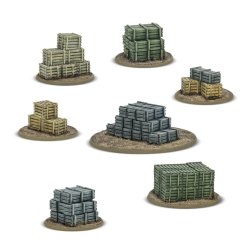
Bolt Action Objective Marker Set - Crates
150 kr
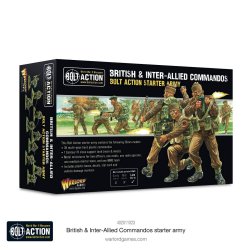
Churchill's Gangsters (British & Inter-Allied Commandos) starter army
750 kr
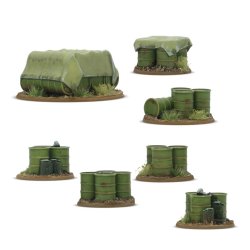
Bolt Action Objective Marker Set - Fuel Dump
150 kr
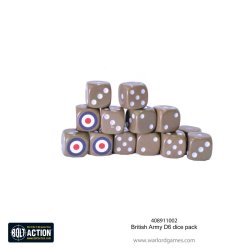
British Army D6 dice pack
170 kr

British Stowage Pack
105 kr

Downed RAF Pilot
55 kr

Bolt Action Third Edition
400 kr

Bolt Action MDF Artillery zooming in Markers - Great Britain
120 kr

Bolt Action MDF Vehicle Pin Markers - Great Britain
100 kr

Bolt Action MDF Unit Pin Markers - Great Britain
130 kr
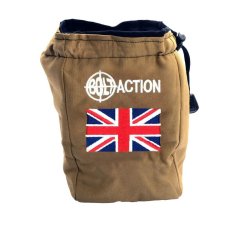
British Bolt Action Dice bag
230 kr

British Army 5.5 inch Howitzer (Late War)
380 kr
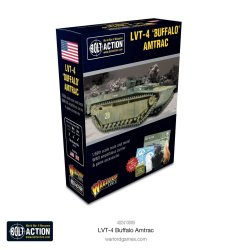
US/Allied LVT-4 "Buffalo" Amtrac
400 kr

British & Inter-Allied Commandos weapons teams
180 kr
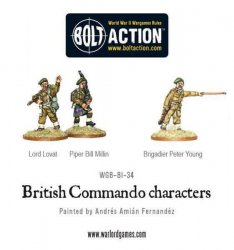
British Commando Characters
105 kr
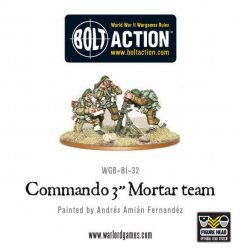
British Commando 3" Mortar Team
165 kr

British Commando Vickers MMG Team
165 kr

British Commandos HQ
130 kr
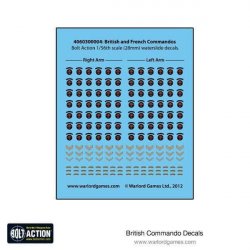
British Commando Decals
45 kr
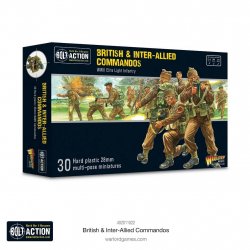
British & Inter-Allied Commandos
400 kr

British Commandos Support Group
330 kr
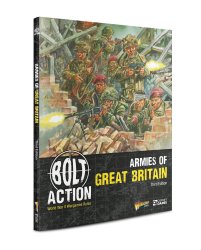
Armies of Great Britain - Third Edition
300 kr

Centaur Mk IV
470 kr

Warpaints Fanatic: WWII British Paint Set
720 kr